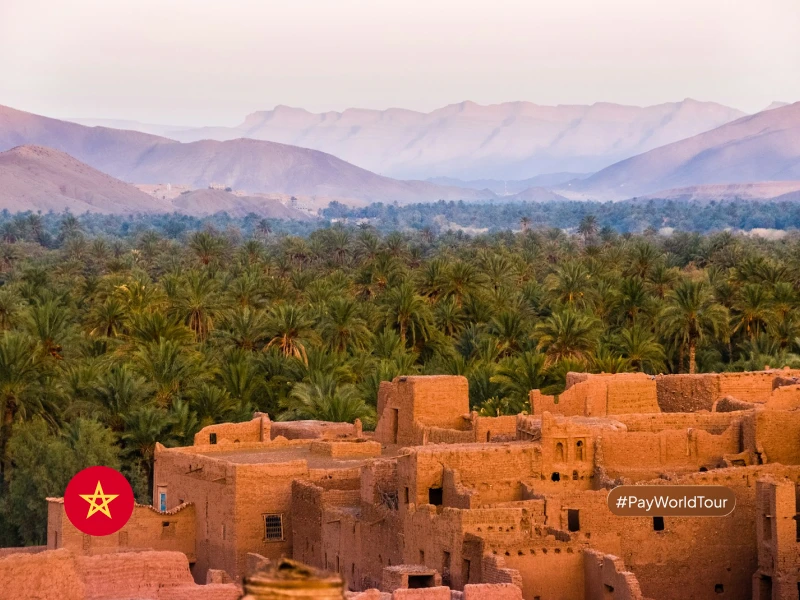

How people pay in Egypt in 2026
Egypt is one of the fastest-moving payment markets in Africa and the Middle East. Cash is still everywhere, but the Central Bank of Egypt (CBE) has pushed hard for digital rails. Financial inclusion reached 77.6% of citizens aged 15 and over in December 2025, against 27.4% in 2016, with 54.7 million active transactional accounts. The instant payment network behind InstaPay now counts about 22 million registered customers and handled 1.47 billion transactions worth EGP 4.33 trillion in Q2 2026, according to CBE Governor Hassan Abdalla.
Online, merchants have to cover several worlds at once: Meeza and international cards, Fawry reference codes paid in cash at hundreds of thousands of shops, telecom mobile wallets led by Vodafone Cash, InstaPay transfers and a crowded installment market led by valU. Cash on delivery remains the safety net for shoppers who do not trust paying online. Card spending in foreign currency is still capped by banks, which shapes cross-border sales. For PSPs, Egypt is a market where local acceptance matters more than any single global brand.
- 1.47 billion instant payment network transactions in Q2 2026 (CBE via Egypt Today)
- 60 million mobile wallets at the end of 2025 (CBE via Business Today Egypt)
- 2.08 billion transactions processed by Fawry in 2025 (Fawry)
- EGP 96.3 billion of consumer finance granted in 2025 (Financial Regulatory Authority)
Payment by card in Egypt
Egypt has its own domestic card scheme, Meeza, run by Egyptian Banks Company (EBC) under the CBE. Meeza cards exceeded 41.5 million in December 2024, helped by government salary, pension and subsidy programs. The CBE counted 21.6 million prepaid cards, 19.7 million debit cards and 4.8 million credit cards in 2025, and 1.35 million POS terminals. Prepaid cards are the largest group, a sign of how many people enter the card world through wallets and fintech apps rather than a bank account.
Visa and Mastercard dominate credit cards and cross-border use. Foreign currency spending is the main friction. The CBE told banks in March 2024 to reopen foreign currency limits on credit cards, but banks still set their own caps. HSBC Egypt, for example, limits non-cash foreign currency purchases to EGP 100,000 per month on most credit cards and has suspended foreign currency transactions on debit cards since October 2023. Merchants selling from abroad should expect declines on Egyptian cards and plan local acquiring or alternatives. Our guide to how card networks work explains why routing matters, and Egypt's caps make interchange fees only one part of the cost picture.
Card schemes in Egypt
Meeza

Domestic card scheme
Egypt's national scheme, operated by EBC, used for debit, prepaid and government cards, and accepted at domestic POS terminals, ATMs and online. Meeza cards can also be added to Apple Pay at participating banks.
41.5 million+ Meeza cards in December 2024, CBE via Daily News Egypt
Visa

International scheme
Widely issued by Egyptian banks on credit and debit cards, and the main option for cross-border purchases, subject to bank foreign currency limits.
Mastercard

International scheme
The other global scheme in Egypt, which worked with the CBE and EBC to bring Apple Pay to Egyptian cardholders at National Bank of Egypt, Banque Misr and CIB.
Prepaid cards
Prepaid card
Reloadable cards issued by banks and fintechs such as Fawry and valU, often on Meeza, used for online shopping and as an entry point to digital payments.
21.6 million prepaid cards in 2025, 50.5% of all cards, CBE via Zawya
Credit cards
Credit card
A smaller base used by higher-income consumers, often with bank installment plans at partner merchants and capped foreign currency spending.
4.8 million credit cards in 2025, CBE via Zawya
Payment by cash in Egypt
Cash is still the default for many Egyptians, and online commerce adapted to it. Fawry turned cash into a payment method: shoppers get a reference code at checkout and pay it at a nearby kiosk, pharmacy or grocery store. Fawry processed 2.08 billion transactions worth EGP 943.6 billion in 2025 across about 377,000 POS terminals, and serves about 54.8 million customers a month. Aman runs a similar network for bills, installments and online payments.
Cash also feeds the digital rails. According to the telecom regulator NTRA, direct cash deposits made up 22% of money loaded into mobile wallets in Q2 2025, and cash withdrawals made up 79% of money taken out. Cash on delivery remains common in e-commerce, especially for first orders and outside large cities.
Cash payment methods in Egypt
Cash
Banknotes and coins
Egyptian pound banknotes remain the main way to pay in small shops, markets and transport, though the CBE is steadily moving payments onto accounts, cards and wallets.
Cash on delivery
Cash on delivery
Paying the courier at the door is still offered by most Egyptian online shops and marketplaces, especially for first orders.
Fawry

Cash payment network
Egypt's largest e-payment network. Shoppers pay online orders, bills and services in cash with a Fawry reference code at retail points, or through the myFawry app.
2.08 billion transactions in 2025, up 7.7%, Fawry
Aman

Cash payment network
Raya Holding's fintech arm runs payment points for bills, installments and online payments, and says it has more than 150,000 POS terminals, alongside consumer finance and microfinance services.
EGP 9.6 billion Aman Holding revenues in 2025, up 49%, Raya Holding via Zawya
Payment by bank transfer in Egypt
InstaPay changed how Egyptians move money. Launched by the CBE in 2022 and run by EBC, the instant payment network lets users send money in seconds to a bank account, card, mobile wallet or payment address. It reached about 22 million registered customers, with 1.47 billion transactions worth EGP 4.33 trillion in Q2 2026. Since April 2025, transfers carry a fee of 0.1% of the amount, between EGP 0.50 and EGP 20, with a cap of EGP 70,000 per transaction.
InstaPay is also the bridge between banks and telecom wallets. The NTRA reports that 65% of money loaded into mobile wallets in Q2 2025 came from bank accounts through InstaPay. For merchants, InstaPay payment links and QR codes allow instant payments without a card, which suits sellers on social media and small shops. Large merchants still settle with suppliers through classic bank transfers. Our article on account-to-account payments explains why these rails matter.
Bank transfer methods in Egypt
InstaPay
Instant payment
The CBE's instant payment app and network, used for person-to-person transfers, payments to merchants by payment address, link or QR code, and top-ups of mobile wallets.
22 million registered customers at the end of Q2 2026, CBE via Egypt Today
InstaPay to wallet
Account-to-wallet transfer
The link between bank accounts and telecom wallets such as Vodafone Cash, the main way Egyptians fund their wallets.
65% of wallet cash-in came from bank accounts via InstaPay in Q2 2025, NTRA
Bank transfer

Bank transfer
Classic transfers between bank accounts, used for B2B payments, rent and large purchases, with 54.7 million active transactional accounts in Egypt in 2025.
Payment by installment and BNPL in Egypt
Installments are a habit in Egypt, from electronics to cars and school fees. Consumer finance companies supervised by the FRA granted more than EGP 96.3 billion of financing to 10.8 million clients in 2025, up 57%, through 48 licensed companies. In June 2025 the FRA raised the consumer pre-financing limit from EGP 10,000 to EGP 50,000 per client, subject to credit checks, and required financing to be disbursed and collected electronically. It has since paused new consumer finance licenses, which favors established players. The market mixes buy now, pay later apps, retail finance companies with in-store desks, and bank installment plans on credit cards.
valU, the fintech spun off from EFG Holding, leads the digital segment with more than 9,000 merchant partners and 8.7 million transactions in 2025. Contact, Aman, Souhoola, Sympl, premium card, MNT-Halan and Fawry's own lending products compete for the same shoppers. Fawry's consumer and BNPL loan book reached EGP 2.9 billion at the end of 2025. Many providers now issue prepaid cards so customers can spend their credit limit anywhere cards are accepted.
Installment and BNPL providers in Egypt
valU

BNPL
Egypt's largest BNPL app, offering installments online and in stores, a prepaid card funded from the credit limit, and savings products.
8.7 million transactions in 2025, more than double the previous year, Launch Base Africa
Contact
Consumer finance
One of Egypt's oldest consumer finance companies, financing goods, cars and services at partner merchants, with growing digital channels.
EGP 1.6 billion financing division operating income in 9M 2025, up 22%, Contact Financial Holding
Aman
Consumer finance
Raya's Aman offers installment purchases through retail partners and its own payment network, reaching cash-based customers.
Souhoola

BNPL
A consumer finance app accepted online and at partner stores, including on Network International POS terminals.
130,000+ users and 1,600+ partner merchants in April 2024, Network International
Sympl

BNPL
A BNPL platform that splits purchases into installments at partner merchants, which partnered with Money Fellows in June 2026 to extend installments to its prepaid cardholders.
premium card
Installment card
A long-standing installment and loyalty card used in malls and stores, which partnered with Jumia Egypt to bring its installments online.
Payment by digital wallet and X-Pay in Egypt
Mobile wallets are Egypt's mass digital payment tool. The CBE counted 60 million mobile wallets at the end of 2025, with transactions worth around EGP 4 trillion. Telecom wallets lead. The NTRA reported 46.3 million active telecom wallets in Q2 2025, with 718 million transactions worth EGP 943.4 billion. Vodafone Cash held 55% of wallets and 81% of transaction value, ahead of e& cash, Orange Cash and WE Pay. Most use is wallet-to-wallet transfer, but merchant payments and online checkout through wallets keep growing.
X-Pay wallets are newer. Apple Pay launched in Egypt in December 2024 with National Bank of Egypt, Banque Misr and CIB, and Meeza cards can be added to Apple Wallet at participating banks. Google Pay works on participating websites and apps in Egypt, but Google Wallet still does not support tap to pay in Egyptian stores. The CBE said in September 2025 it was working with banks to bring card tokenization to Android apps.
Digital wallets and X-Pay in Egypt
Vodafone Cash

Telecom wallet
Egypt's leading mobile wallet, used for transfers, bill payments, online checkout and cash withdrawals at agents and ATMs.
81% share of telecom wallet transaction value in Q2 2025, NTRA
e& cash
Telecom wallet
The mobile wallet of e& Egypt, still shown as ET Cash or Etisalat Cash on the operator's site, and the second-largest telecom wallet by number of accounts.
21% of telecom wallets in Q2 2025, NTRA
Orange Cash
Telecom wallet
Orange Egypt's wallet for transfers, payments and top-ups, linked to InstaPay and bank cards.
19% of telecom wallets in Q2 2025, NTRA
WE Pay
Telecom wallet
The wallet of state-owned Telecom Egypt (WE), the smallest of the four telecom wallets.
5% of telecom wallets in Q2 2025, NTRA
Apple Pay

Mobile wallet
Available in Egypt since December 2024 for cards from participating banks, starting with National Bank of Egypt, Banque Misr and CIB, in stores, in apps and on the web.
Google Pay
Online wallet
Google lists Egypt among the countries where shoppers can pay with Google Pay on participating websites and apps. Tap to pay in stores with Google Wallet is not yet available in Egypt, according to Google Wallet Help.
Payments in Egypt: FAQ
What is the most popular way to pay online in Egypt?
There is no single winner. Cards, Fawry reference codes paid in cash, mobile wallets, InstaPay and cash on delivery all matter. Fawry alone processed 2.08 billion transactions in 2025, and Meeza and international cards cover most card payments.
What is InstaPay in Egypt?
InstaPay is the CBE's instant payment network, run by Egyptian Banks Company, for real-time transfers between bank accounts, cards and wallets. It had about 22 million registered customers in Q2 2026. Transfers cost 0.1% of the amount, between EGP 0.50 and EGP 20.
Can Egyptian cards pay foreign merchants?
Yes, but with limits. Banks cap foreign currency spending on credit cards, and some have suspended it on debit cards. HSBC Egypt, for example, caps non-cash foreign currency purchases at EGP 100,000 a month on most credit cards. Local acquiring or local methods reduce declines.
Which BNPL providers are used in Egypt?
valU leads, followed by Contact, Aman, Souhoola, Sympl, premium card, MNT-Halan and Fawry's lending products. FRA-supervised consumer finance companies granted EGP 96.3 billion of financing to 10.8 million clients in 2025.
Accept local payments in Egypt with NORBr
In Egypt, merchants usually use payment facilitators such as Paymob, Kashier and Geidea, and Fawry runs a large cash network. A PSP, PayFac, ISO or ISV should check Central Bank of Egypt approvals, Meeza, InstaPay, cash codes and wallets.
With NORBr, you can connect any acquirer, PSP or local provider that offers Meeza cards, InstaPay, Fawry cash payments, mobile wallets such as Vodafone Cash and installments with valU. Some are already in our connector catalog; Mapper™ gets the others live in days, and Smart Checkout shows each shopper the right methods. Explore the other #PayWorldTour guides.
Local payment providers in Egypt
Paymob
Payment gateway
Cairo-founded payment facilitator serving Egyptian merchants of every size online and in store, and expanding across the Middle East.
Covers: Cards, Meeza, Visa, Mastercard, Vodafone Cash, Orange Cash, e& cash, Aman, valU, Souhoola, Sympl, Apple Pay
Fawry

Aggregator
Egyptian payment network, listed on the Egyptian Exchange, known for cash bill payments at retail outlets and offering online acceptance through FawryPay.
Covers: Fawry, Cards, Meeza, Visa, Mastercard, Mobile wallets
Geidea
PSP
Saudi-founded payment company with a large Egyptian operation, offering POS terminals, online payments and payment links to merchants.
Covers: Cards, Meeza, Visa, Mastercard, valU, Apple Pay, Google Pay
Kashier
Payment gateway
Cairo-based payment facilitator serving SMEs and e-commerce merchants with online checkout, payment links and payouts.
Covers: Cards, Meeza, Visa, Mastercard, Mobile wallets, valU, Souhoola